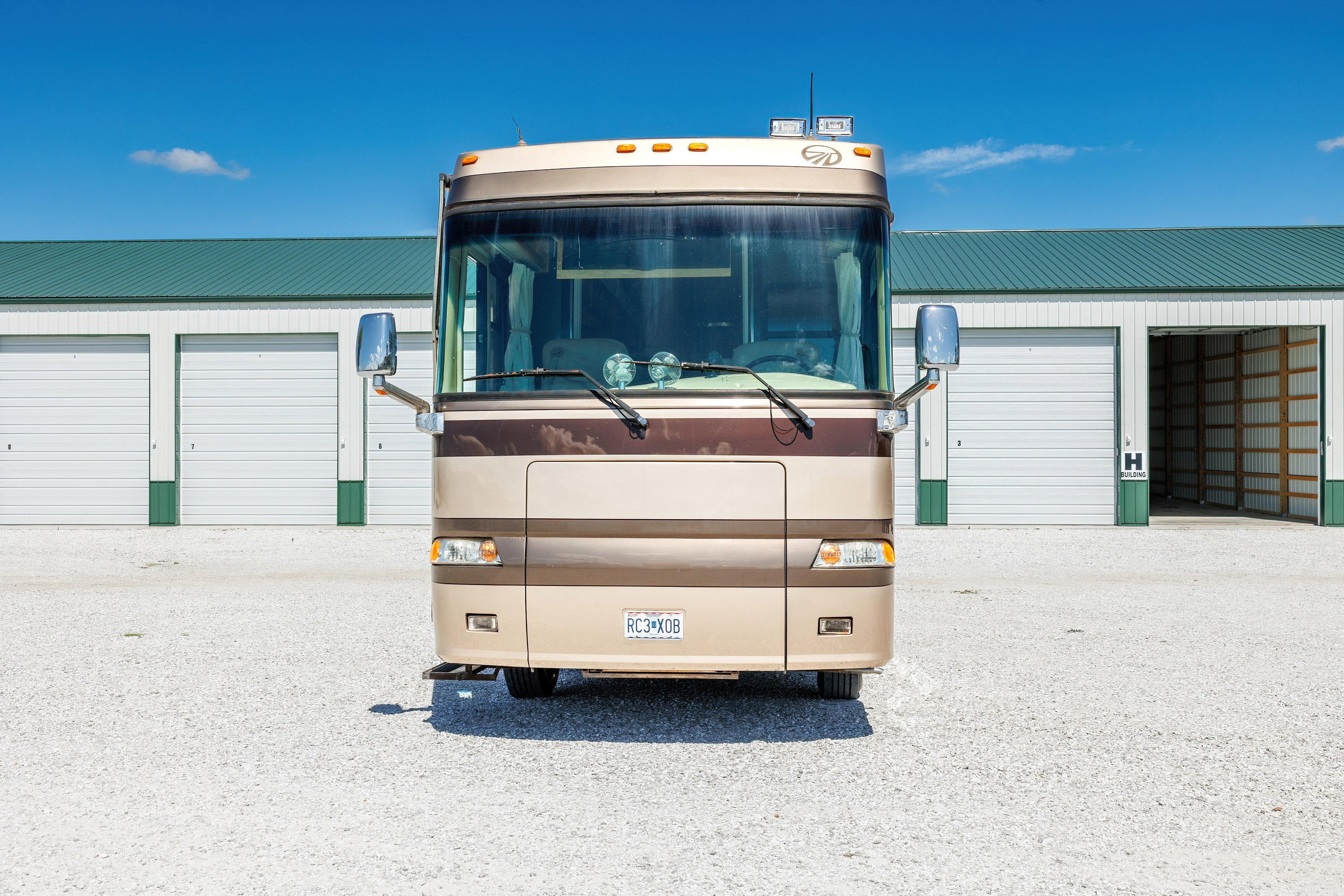
When your RV is parked for weeks or months at a time, it’s easy for important maintenance to be forgotten. But while it's sitting for long periods in storage or at a long-term site is actually when an RV is most vulnerable. Tires can degrade and deform, pests can move in, generators can become unreliable, and debris can build up on the roof and can cause costly leaks if no one is paying attention.
The good news: a monthly maintenance routine will keep your RV healthy while it's sitting and prevent most of the problems that may surprise RV owners in the spring. Below are the essential tasks to perform while your RV is in storage—whether it's parked at home, in a storage facility, or at a long-term campsite.
To make it easier to stay on top of these checks, the RV Help app includes a free maintenance tracker where you can log each task and set monthly reminders so nothing gets overlooked.
1. Protect and Maintain Your Tires
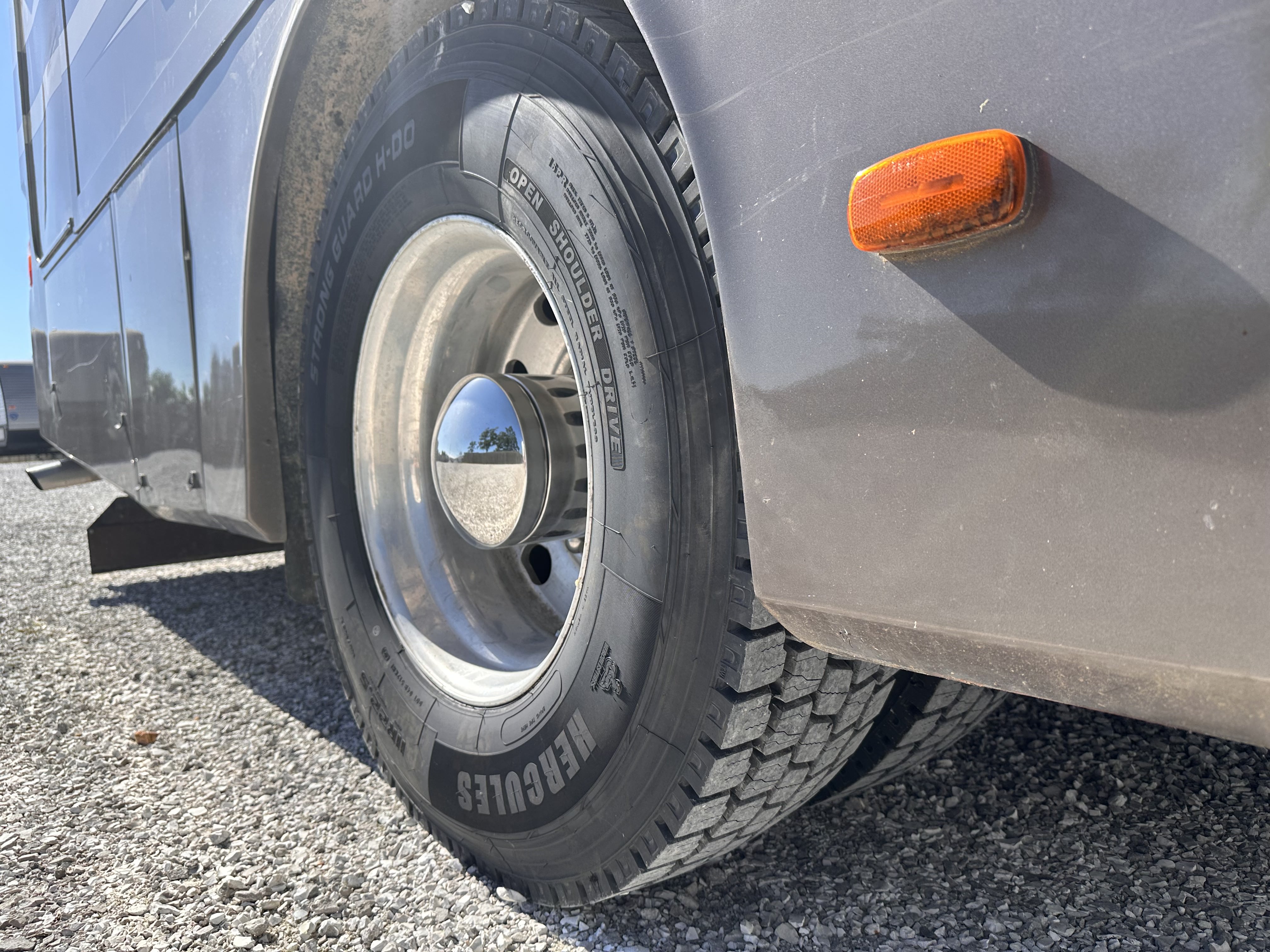
Tires age faster when they sit still, especially outdoors under the full weight of your RV. Each month while your rig is not being driven:
Make sure it remains parked on wood, rubber, or concrete pads (not dirt or grass).
Keep wheels chocked and tires covered to protect from sun exposure.
Check and maintain the correct air pressure for all tires, including the spare.
Look for cracking, bulges, or any embedded debris.
Roll the RV forward or backward a few feet to redistribute weight and prevent flat spots.
These small steps will significantly extend the life of your tires and help prevent blowouts when it’s time to tow or drive again.
3. Inspect for Pest Activity
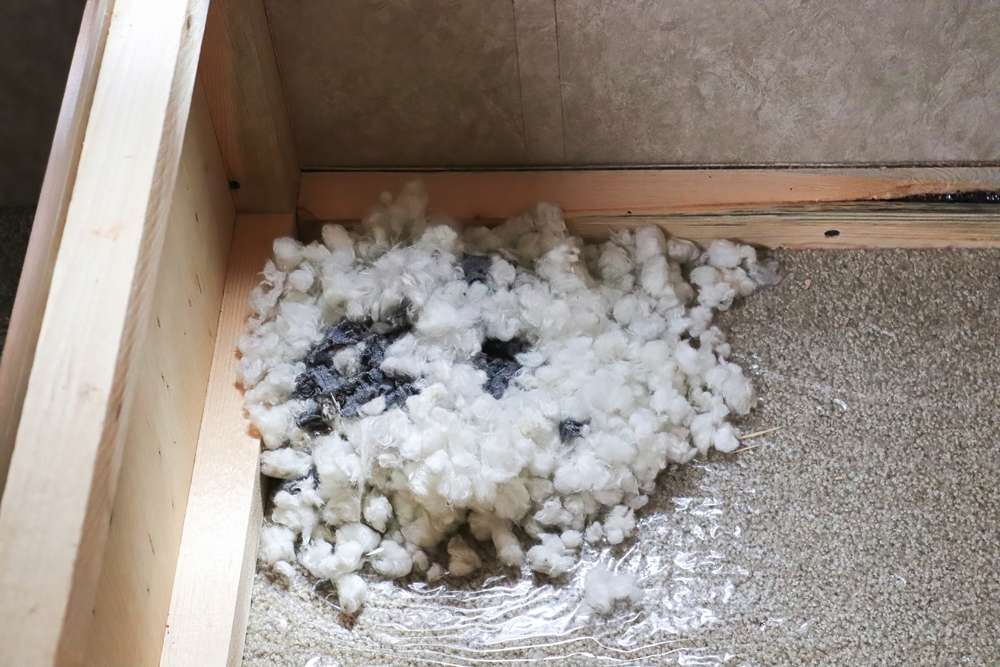
A quiet RV makes a cozy nesting spot for rodents and insects. Discourage these pests from making their home inside your RV while it's in storage by removing all food and carefully cleaning floors and surfaces to remove crumbs and spills. Consider placing products that repel or control mice and insects.
Each month, look for signs of pests in these places:
Storage bays
The RV underbelly
Inside cabinets and drawers
Behind access panels
Inside and around vents
Check for droppings, shredded nesting material, chew marks, or insect trails. Catching early signs prevents larger infestations and potential damage to wiring, insulation, and soft materials.
4. Cycle Hardware and Moving Parts
Anything that moves can stiffen up when it sits too long, especially if it's exposed to damp weather conditions. Once a month, operate and lubricate if needed:
RV steps
Storage bay doors
Locks and latches
Valves and faucets
Slide mechanisms (if accessible and recommended for your unit)
This keeps parts lubricated and prevents unpleasant surprises when you take the RV out of storage and something refuses to budge.
5. Exercise the Generator Monthly (Under Load)
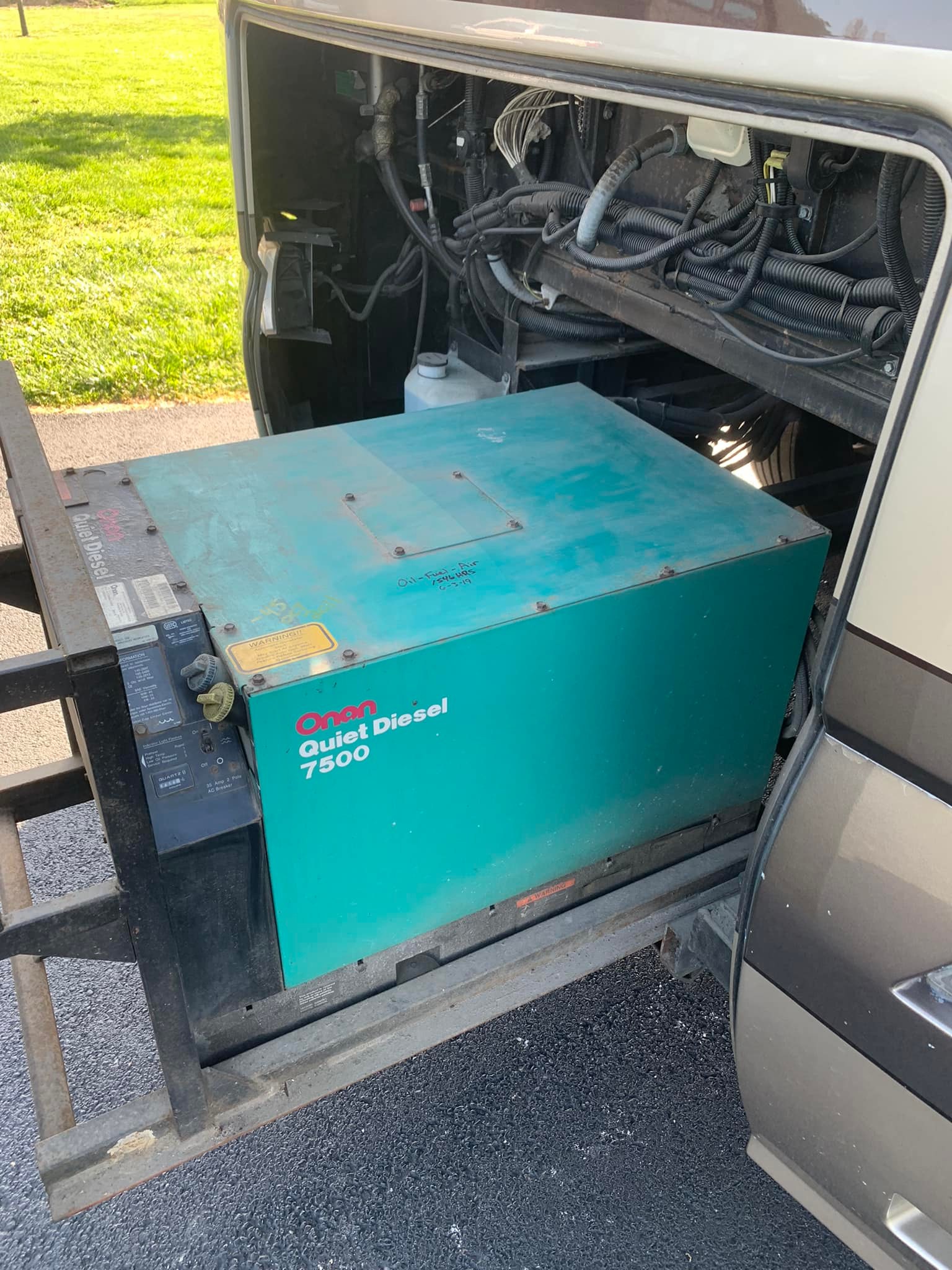
Generators actually degrade faster sitting idle than being used. A lack of circulation causes fuel varnish, moisture buildup, and lubrication issues.
Once a month:
Run the generator for 30–60 minutes.
Turn on one or two appliances so the generator runs under load.
This keeps fuel fresh, internal parts lubricated, and the generator running reliably so it's ready for your next trip.
6. Clear Debris From the Roof and Slide Toppers and Inspect for Damage
Leaves, branches, dirt, and snow sitting on an RV roof and the tops of slides can trap moisture and damage sealant, potentially leading to leaks and soft spots. If your RV will be stored uncovered outdoors all winter, consider purchasing a breathable cover to protect the roof and RV exterior.
While checking the roof each month:
Remove any debris.
Carefully brush off snow to avoid it piling up too high, if you can do so safely.
Look for cracks, punctures, lifted edges, or bubbling in the roofing material.
Check around roof vents, AC units, and seams for anything that looks out of place.
Replace damaged sealant and temporarily repair any damage you find until professional repair can be scheduled.
Roof issues almost always start small, and storage gives them plenty of time to get worse if they go unnoticed.
7. Inspect and Maintain Exterior Sealant
Water intrusion is one of the most common (and expensive) problems caused by storage. Every month:
Check the sealant around windows, doors, vents, roof fixtures, lights, and trim.
Look for cracks or gaps.
Reseal areas that need attention.
A few minutes of sealant maintenance can prevent thousands of dollars in water damage.
Don't Let Your RV Deteriorate While It's In Storage
Paying attention to regular maintenance while your RV is sitting in one spot will go a long way toward preventing unexpected repairs. Most of the tasks on this list take just a few minutes, but together they will help preserve the value of your RV and ensure it's ready to go when you are.
The free RV Help app makes it easy to stay on top of storage maintenance with a maintenance tracker that lets you log each task as you complete it and set custom reminders for monthly checks. You can also store your RV's owner manuals and warranty information in the app's virtual glovebox, so everything you need is in one place when issues come up.
FREE RV Maintenance Checklist Spreadsheet
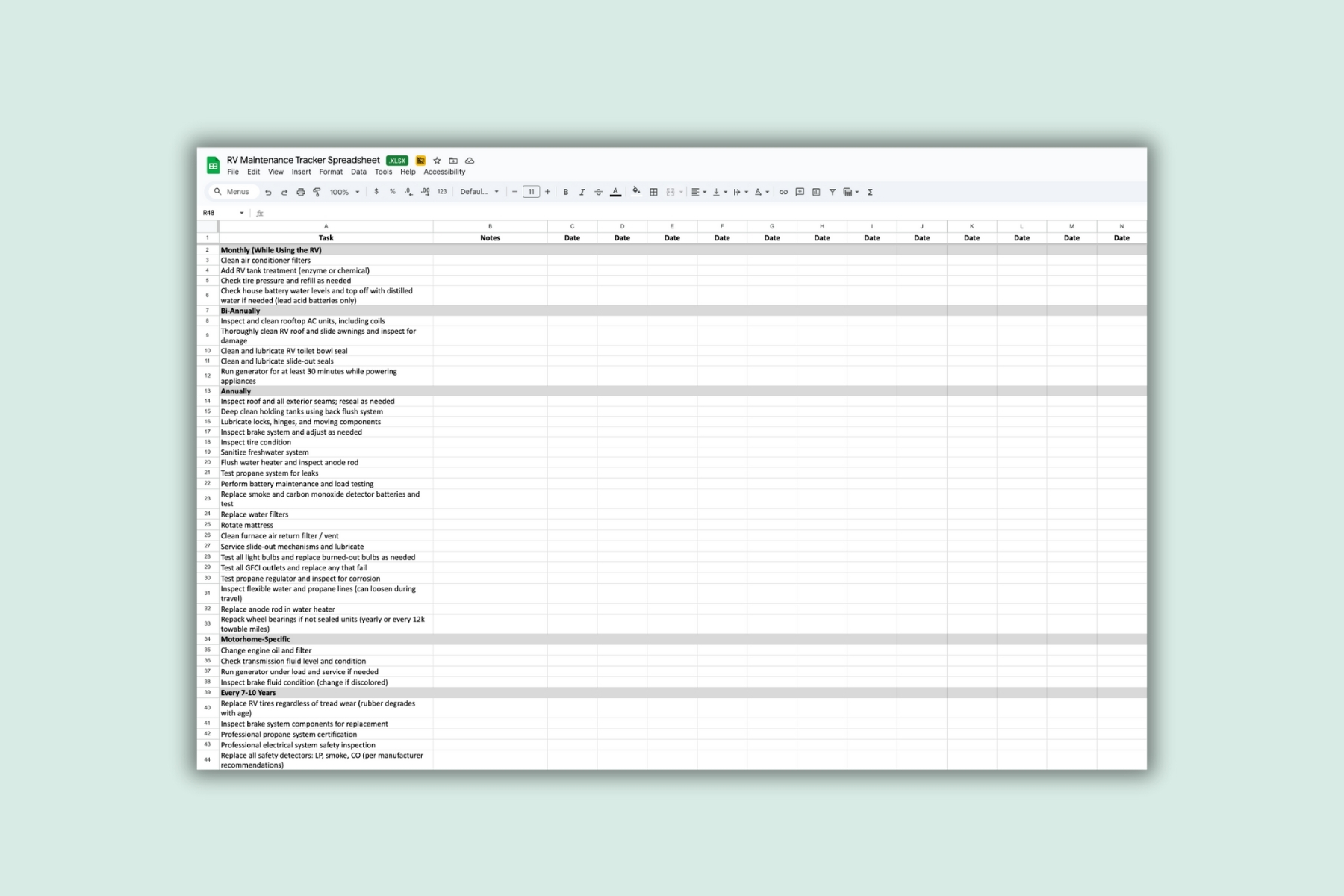
A printable and editable spreadsheet to help you stay on top of RV maintenance tasks. Organized by frequency, with space to add notes and track completion dates, so you can keep your RV in top condition year-round.
By submitting this form, you'll receive our newsletter and the free download. You can unsubscribe at any time.
FREE RV Maintenance Checklist Spreadsheet
A printable and editable spreadsheet to help you stay on top of RV maintenance tasks. Organized by frequency, with space to add notes and track completion dates, so you can keep your RV in top condition year-round.
By submitting this form, you'll receive our newsletter and the free download. You can unsubscribe at any time.