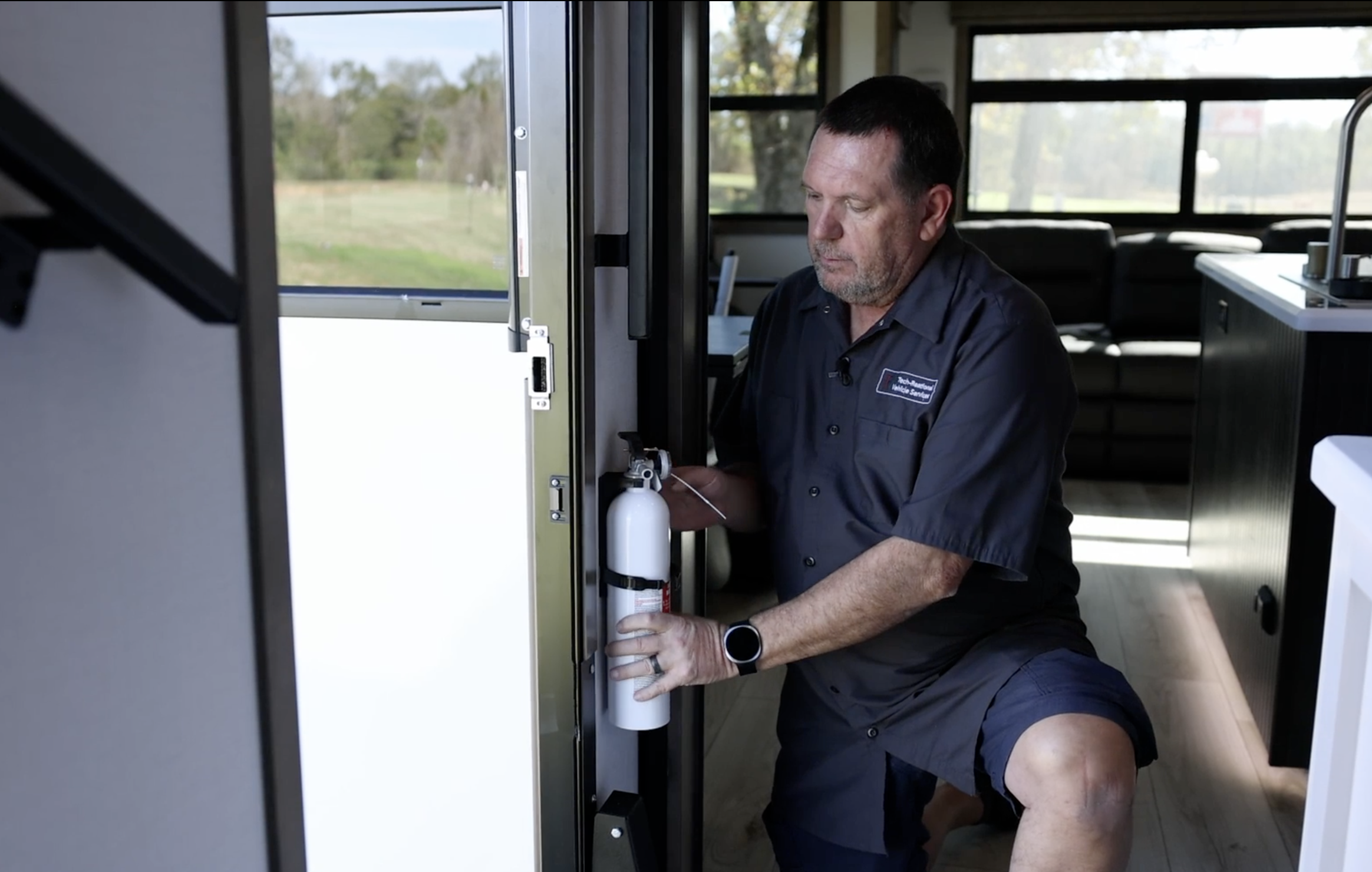
Many RV owners focus on the exciting parts of trip planning while overlooking critical safety maintenance that could prevent emergencies down the road. Regular safety checks aren't just about avoiding costly repairs—they're about protecting your family and ensuring peace of mind whether you're weekend camping or full-time RVing.
In this guide, we'll walk through the essential safety checks every RV owner should be performing regularly:
Safety Detectors (carbon monoxide, smoke, and LP gas)
Fire Extinguisher
Electrical Safety Checks
Propane Safety Checks
Emergency Exits
And here's the good news: staying on top of these tasks is easier than ever with the right tools. The RV Help mobile app includes a free maintenance tracker that helps you log each task and reminds you when the next check is due, so nothing falls through the cracks.
Safety Detectors: Your First Line of Defense
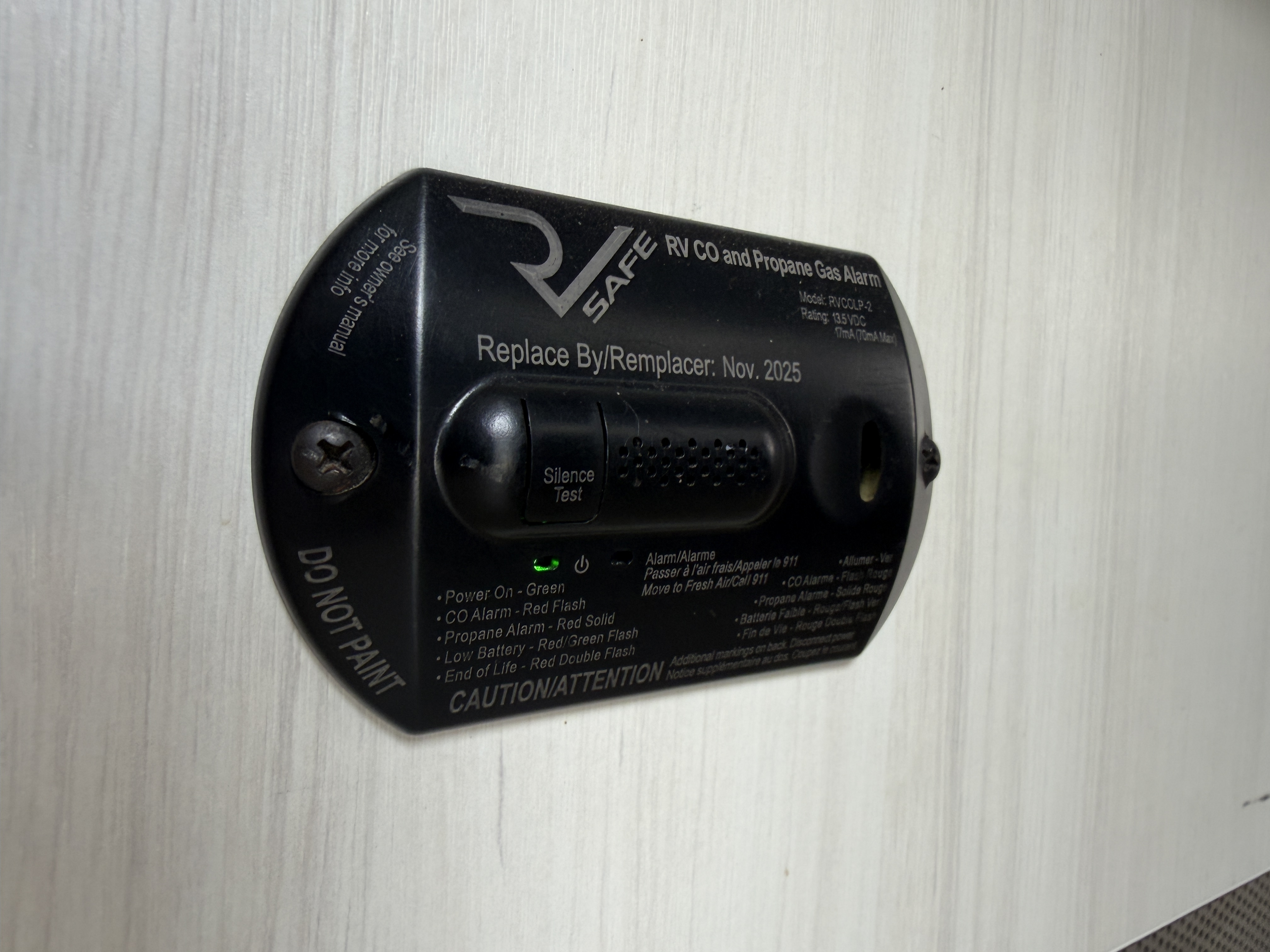
Carbon monoxide, smoke, and LP gas detectors are literally life-saving devices. Because RVs are enclosed spaces where you're cooking, heating, and sleeping in close quarters, malfunctioning detectors can mean the difference between a safe trip and a tragedy. Carbon monoxide is odorless and colorless, making working detectors your only warning of this deadly gas.
Test your detectors before each trip (or monthly if you're a full-timer) by pressing the test button on each unit to ensure they sound an alarm. Replace batteries annually, even if they seem to be working—don't wait for the low-battery chirp to remind you.
Check the expiration date on each detector, which is usually printed on the back or side of the unit. Most detectors have a 5-7 year lifespan, and expired units may fail to detect dangerous gases even if they appear to be functioning normally. When a detector reaches its expiration date, replace it immediately rather than gambling with your family's safety.
Certified RV technician Chris Rose, one of the service providers listed on RV Help, witnessed firsthand the importance of smoke detectors and other safety detectors when he was called out to investigate some faulty electrical outlets in a fifth wheel, only to discover the inverter, which was located in the front storage bay under the bedroom, had, in his words, "pretty much melted down."
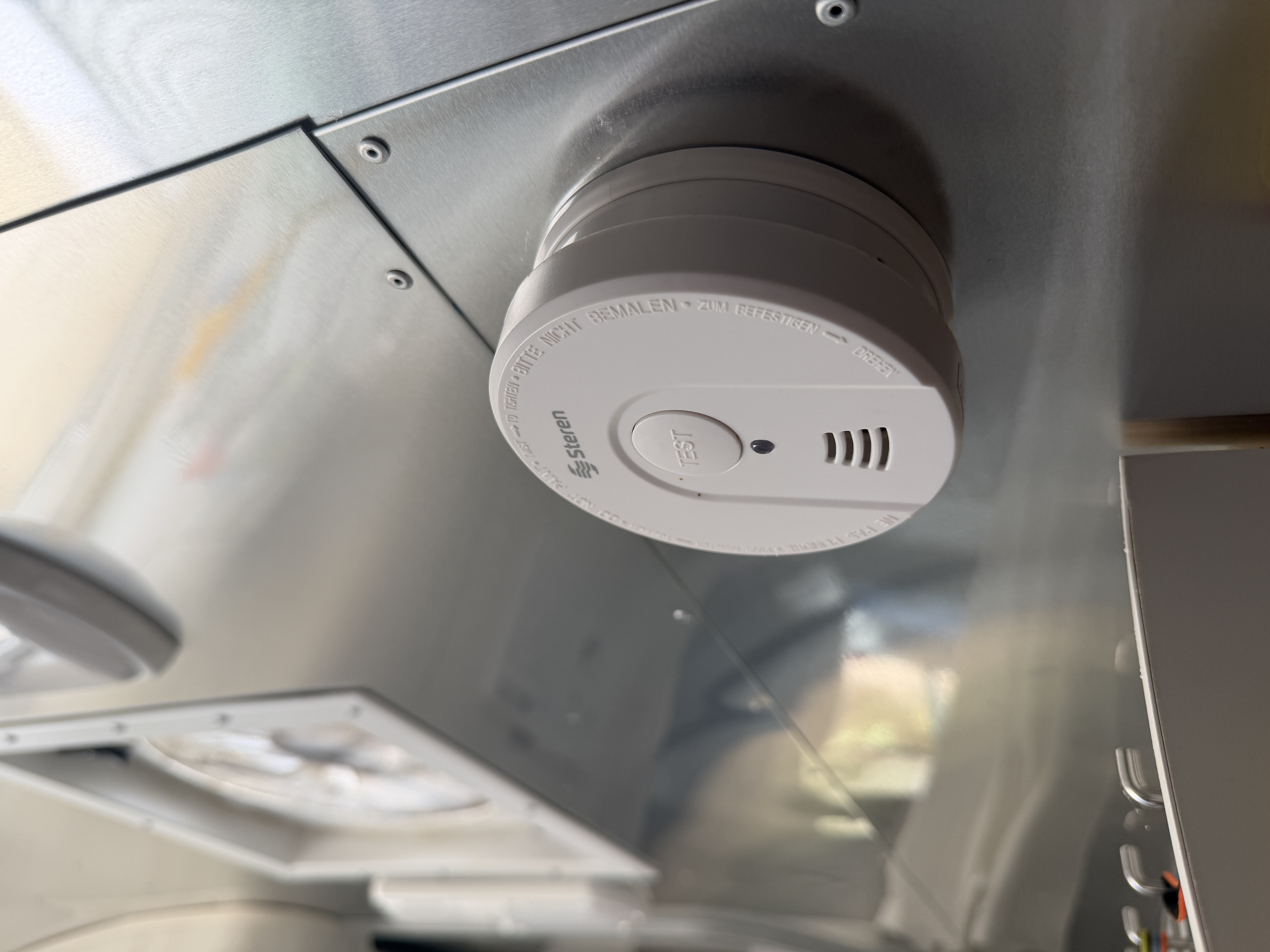
In this case, even a working smoke detector inside the house might not have prevented a fire from starting in the closed storage bay if the faulty inverter had not been spotted sooner. Based on this experience, Chris now advises RV owners to place a smoke detector inside each storage bay as well as any cabinets or hidden compartments containing electrical equipment–anywhere a fire could start that would enclose the smoke so it might not be detected by your main smoke detector.
Fire Extinguisher: Your Emergency Response Tool
A small fire can quickly become catastrophic in an RV's compact space. Having a properly functioning, easily accessible fire extinguisher—and knowing exactly where it is—could save your RV and your life. In a fire emergency, you won't have time to search for equipment or figure out if it works.
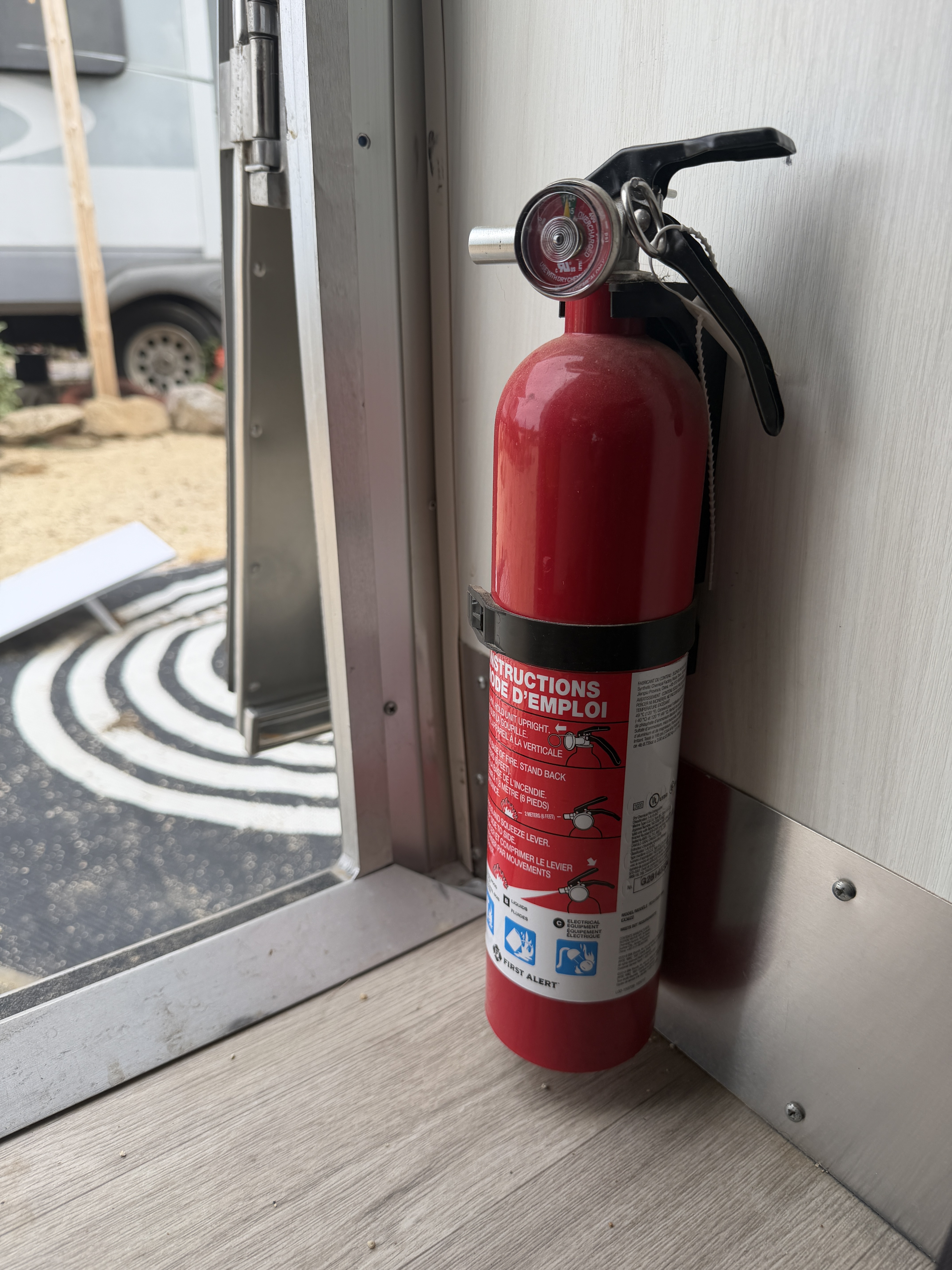
During your annual inspection, start by locating your extinguisher and confirming it's mounted securely near the door where you can quickly grab it from outside the RV if needed—during a fire, you may need to exit first and fight the fire from outside to prevent being trapped.
Inspect the body and nozzle for any dents, corrosion, or visible damage that could prevent proper operation. Check that the pressure gauge needle sits in the green zone, indicating the extinguisher is properly pressurized and ready to use. Verify the safety pin and tamper seal are intact and haven't been disturbed or damaged.
Here’s a pro tip from Master Certified RV technician Bryan Carbonnell: Flip the canister upside down a few times to loosen the powder inside, which can become compacted during travel and reduce effectiveness when you need it most.
Finally, replace or service the extinguisher if the gauge shows low pressure, the pin is missing, or the unit is more than 10 years old—even if it looks fine, extinguishers have a limited lifespan.
Protecting Your Electrical System Against Shocks and Fires
Your RV's electrical system requires both regular DIY maintenance and professional oversight to ensure safety. Electrical problems are among the most dangerous issues an RV can face, potentially leading to shocks, fires, or complete system failure.
Test GFCI Outlets Monthly
GFCI (Ground Fault Circuit Interrupter) outlets are specifically designed to prevent electrical shocks in areas where water is present, like your RV bathroom and kitchen. These outlets detect electrical imbalances that could indicate current is flowing through water or, worse, through a person. A malfunctioning GFCI won't protect you from potentially deadly electrical hazards, especially in the wet environments common in RVs.
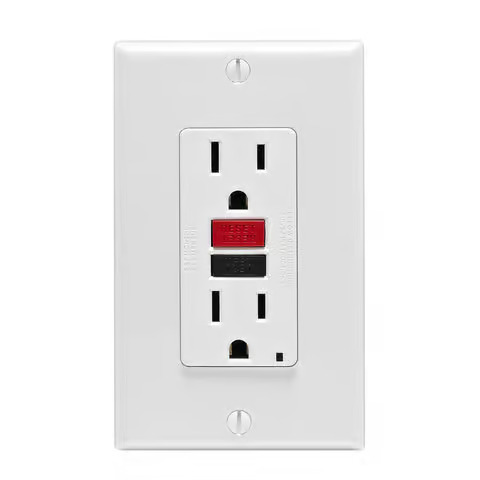
Test your GFCI outlets monthly using this simple procedure:
Plug a small device like a nightlight into the GFCI outlet to verify it has power and is working normally.
Press the TEST button—the light should immediately turn off or your device should stop working. This simulates a ground fault and proves the GFCI is monitoring properly.
Press RESET to restore power and confirm the outlet functions normally again. The device should immediately power back on.
Replace any GFCI outlet that fails to trip when tested or won't reset properly. A GFCI that won't trip isn't providing any protection.
Test your GFCI outlets monthly during regular use or after your RV has been in storage for an extended period. GFCIs can fail over time, and regular testing is the only way to know they're still protecting you.
Professional Inspection: Annual Comprehensive Check
Your RV's electrical system is complex, and problems that aren't visible to the untrained eye can lead to fires, equipment damage, or complete system failure. Many electrical issues develop gradually and may not show obvious symptoms until they become serious. Loose connections, corroded terminals, damaged wiring, and failing components can all create dangerous situations that won't be caught by basic visual inspection.
Use the RV Help app to find a certified RV technician in your area to schedule an annual electrical safety inspection, which can be part of an annual check of multiple systems of your RV.
A professional inspection of your electrical system should include checking all connections, testing the shore power system, inspecting the converter and inverter, examining wiring for damage or wear, and ensuring proper grounding throughout your RV's electrical system. The technician should also check for any signs of overheating, verify that circuit breakers are functioning correctly, and ensure your electrical system meets current safety standards. This preventive maintenance can catch small issues before they become expensive repairs or safety hazards that could leave you stranded or worse.
Propane System: Managing a Potentially Dangerous Fuel
Propane is what powers your furnace, water heater, stove, and refrigerator, but it's also highly flammable and heavier than air, meaning leaks can pool in low areas of your RV and create explosion risks. Leaks can lead to fires or explosions, making regular propane system maintenance absolutely non-negotiable for RV safety.
Annual maintenance of your propane system should include several important checks. Test all propane lines for leaks using a soap and water solution—spray it on connections and look for bubbles that indicate escaping gas. Never use a flame to check for leaks. Visually inspect lines and connections for cracks, wear, damage, or signs of corrosion that could lead to future leaks.
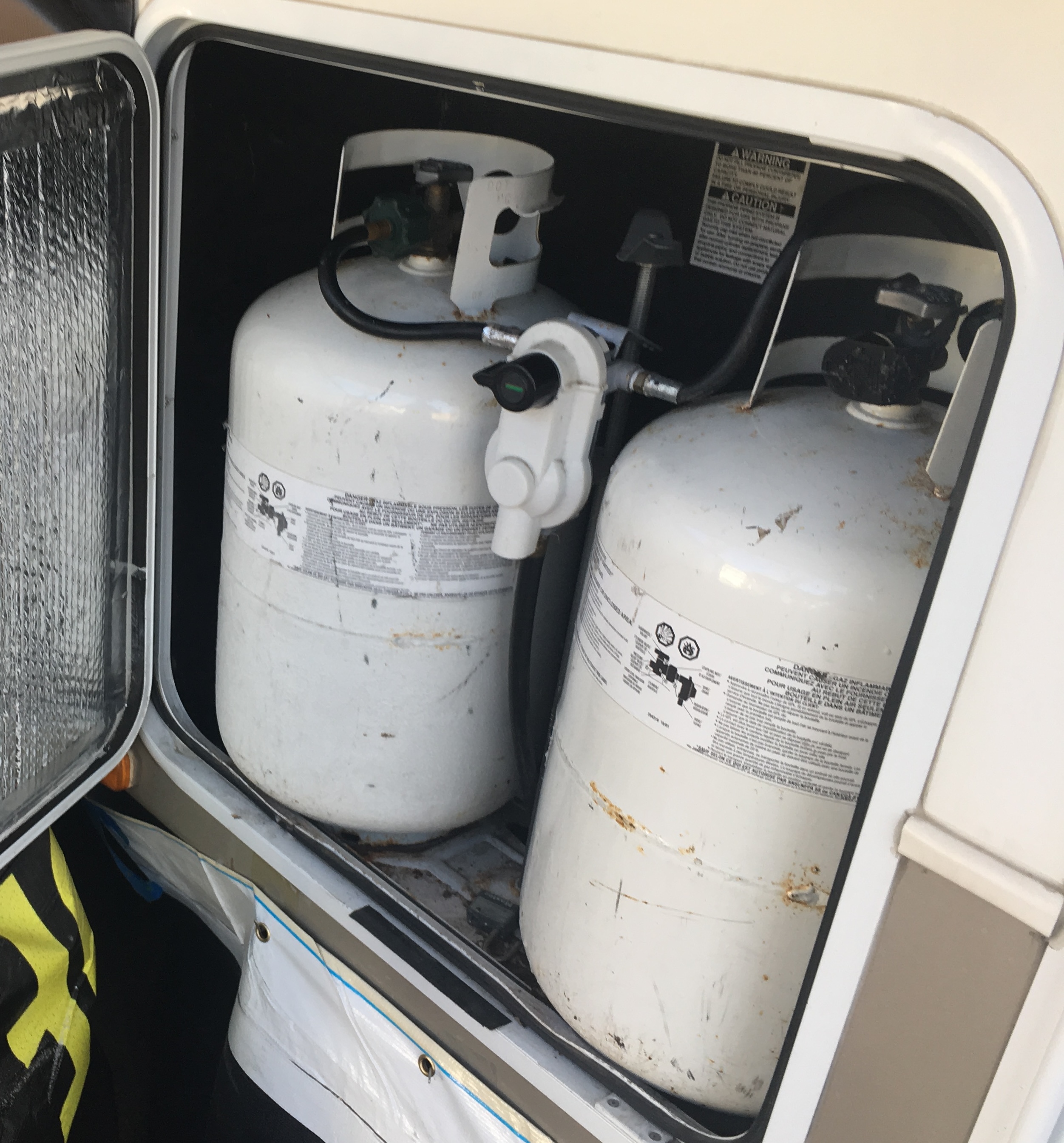
As part of a routine annual inspection, have a certified technician test that your propane regulator is functioning as intended and maintaining proper pressure throughout your system.
While you can perform basic visual checks and leak tests yourself, a professional annual inspection is strongly recommended to ensure your entire propane system is safe and operating efficiently. Remember that propane tanks must be professionally recertified every 5 years—check the date stamped on your tank's collar and schedule recertification before the deadline. You can have recertification done at any facility that refills propane tanks.
Emergency Exits: Know Your Escape Route
In an emergency like a fire or accident, seconds matter. You need to know exactly how to exit your RV quickly, and all emergency exits must be operational when you need them most. Panic and confusion during an emergency can be deadly, so preparation now could save lives later.
Make sure everyone who travels in your RV knows the location of all emergency exits, including windows that can be opened or removed from the inside. Many RV emergency windows have red handles or labels, but in smoke or darkness, you need to know their locations by feel. Check annually that all emergency exits open smoothly and latches work properly. Emergency exit windows can become stuck from lack of use, paint, or worn mechanisms, so operate them during your annual check to ensure they'll work when needed.
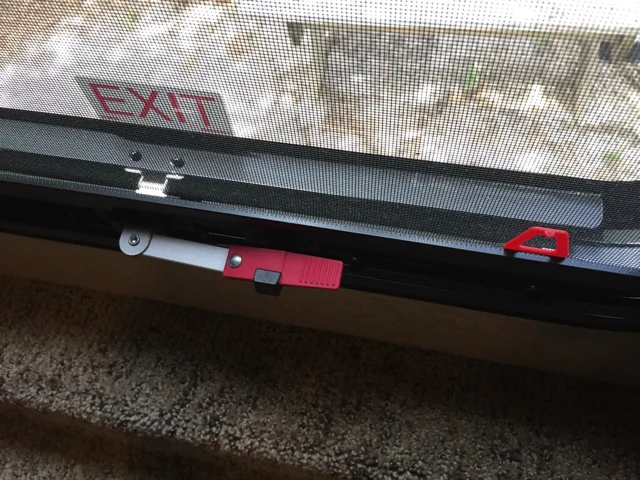
If your RV has an emergency escape ladder, ensure everyone knows where it's stored and practice deploying it at least once so there's no confusion during a real emergency. Consider practicing an emergency evacuation drill with your family, especially if you have children, so everyone knows exactly what to do and where to go.
Get Monthly and Yearly Safety Maintenance Reminders With Our Free App
These safety checks don't take much time, but they provide invaluable peace of mind and could quite literally save lives. The challenge is remembering to perform them on schedule, especially when you're balancing trip planning, regular maintenance, and everything else that comes with RV ownership.
That's where the RV Help mobile app comes in. Our free RV maintenance tracker helps you stay on top of all these critical safety checks without relying on memory or spreadsheets. Simply log each task when you complete it, and the app will notify you when it's time for the next check.
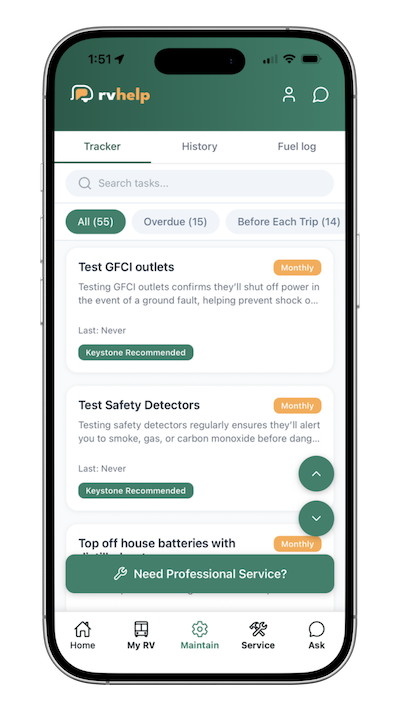
You can read instructions for each maintenance task, keep all your RV maintenance records in one convenient place, and never worry about forgetting when you last tested those smoke detectors or inspected your fire extinguisher.
The maintenance tracker is completely free to use and works whether you're a weekend warrior or a full-time RVer. Download the RV Help app today for iOS or Android and take the guesswork out of RV safety maintenance. Your future self—and your family—will thank you.
Have questions about RV maintenance or safety? Share this article with fellow RVers, and let us know in the comments what safety checks you prioritize in your routine. Safe travels!
FREE RV Maintenance Checklist Spreadsheet
A printable and editable spreadsheet to help you stay on top of RV maintenance tasks. Organized by frequency, with space to add notes and track completion dates, so you can keep your RV in top condition year-round.
By submitting this form, you'll receive our newsletter and the free download. You can unsubscribe at any time.
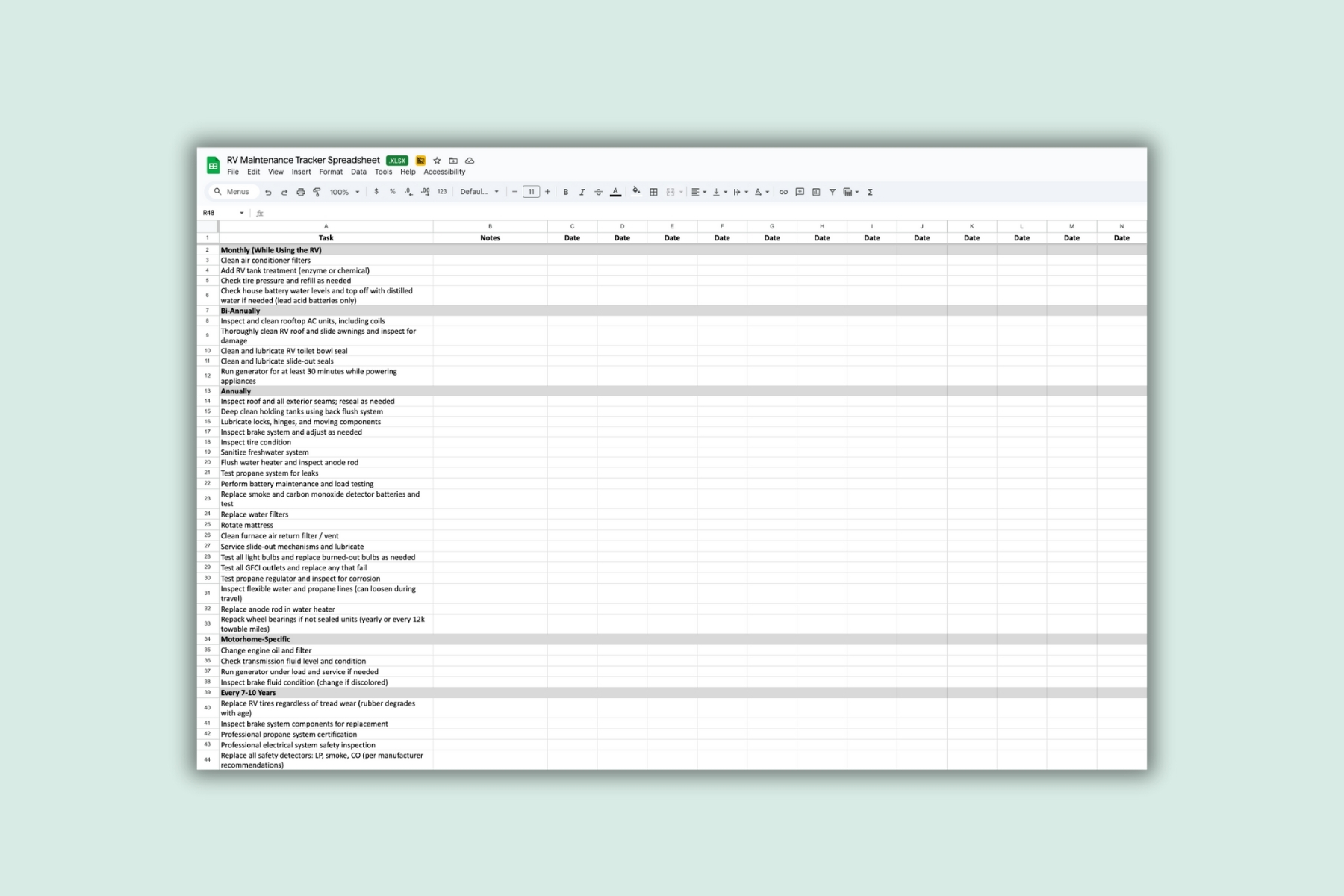
FREE RV Maintenance Checklist Spreadsheet
A printable and editable spreadsheet to help you stay on top of RV maintenance tasks. Organized by frequency, with space to add notes and track completion dates, so you can keep your RV in top condition year-round.
By submitting this form, you'll receive our newsletter and the free download. You can unsubscribe at any time.